30-day satisfaction guarantee or your money back
Call us : +33 257 880 074
 en
en 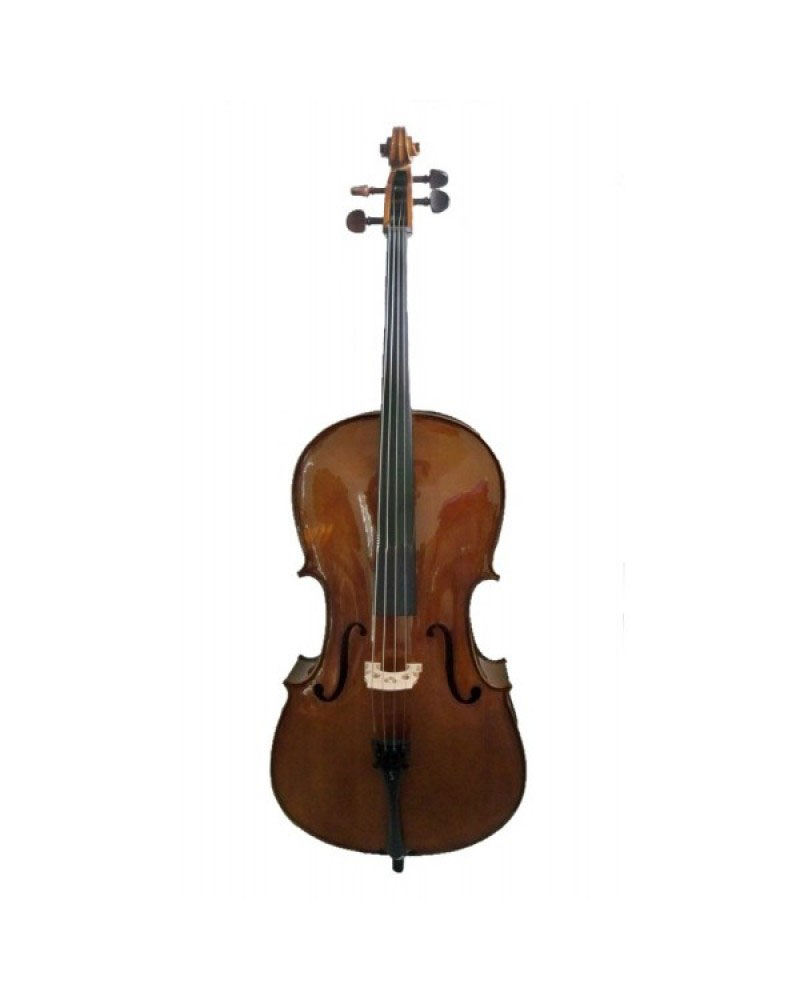
The name Stentor is associated with an approach focused on manufacturing consistency and reliability, qualities especially important when choosing a study instrument. The Student I follows this logic: offering an accessible cello, consistent from one instrument to another, and serious enough to allow the student to develop posture, intonation, and ear under good conditions. In 3/4 size, it strikes an excellent balance between playing comfort and true sound presence.
This Stentor Student I 3/4 is primarily aimed at beginners and students: music school pupils, conservatory first cycle students, or supervised learning with a teacher. Its goal is to facilitate the establishment of fundamentals (bow hold, left hand placement, coordination), while offering a response clear enough to work on intonation and dynamics.
Regarding repertoire, it naturally suits classical music (studies, sonatas, short pieces), but also pedagogical uses in film music and ensembles (junior orchestra, beginner chamber music). Its 3/4 size also makes it relevant for musicians seeking a more manageable instrument for travel or certain practices, without resorting to a "toy" study cello.
The solid spruce top is at the heart of projection: spruce generally provides responsiveness at the attack and good clarity in the midrange, very useful for highlighting bow strokes and working on articulation. The carved solid maple back and ribs reinforce the sound structure with a often more defined output and better stability when playing dynamically, while helping to stabilize the instrument over time.
The solid maple neck contributes to a solid feel under the left hand, while the stained hardwood fingerboard ensures a smooth playing surface for shifting and position changes. Finally, the medium brown varnish finish aims for a compromise: protecting the instrument daily while preserving an acoustic response suited to dynamic work, from pianissimo to forte.
To complement an instrument delivered "ready to play," a rosin for the bow is essential to obtain consistent grip and a more stable sound from the first sessions. For home practice, a non-slip endpin stopper is also recommended to secure the position and prevent the instrument from sliding on smooth floors, especially during learning.