30-day satisfaction guarantee or your money back
Call us : +33 257 880 074
 en
en 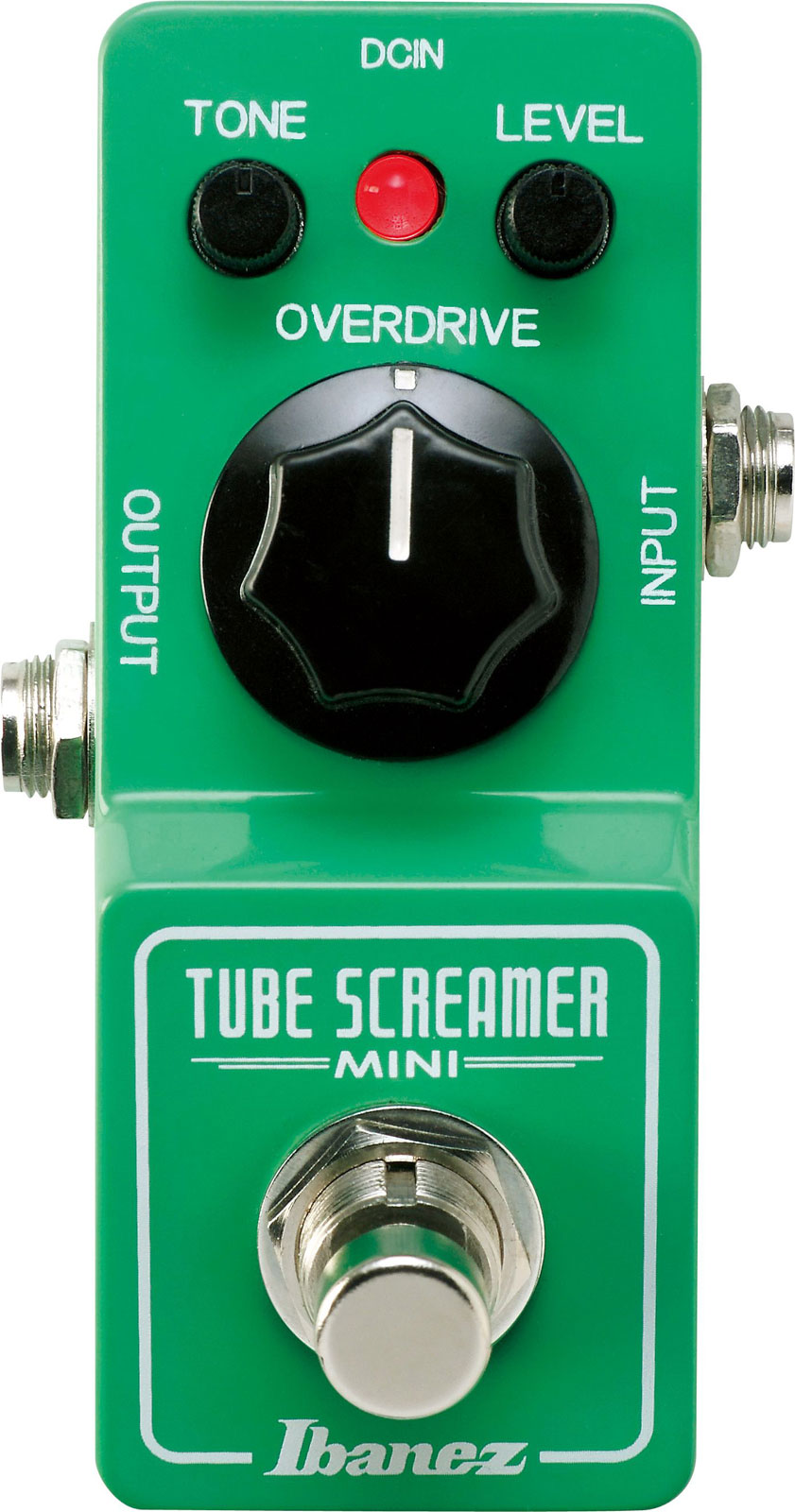
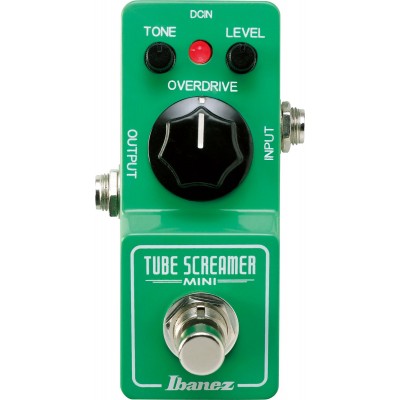
Without trying to overdo it, [Product Name] adopts the most straightforward and musical formula in the world of saturation pedals: three potentiometers, a footswitch, and a clear goal-to find a usable sound quickly. This type of architecture (Tone, Gain, Level) has proven itself for decades because it allows you to focus on playing rather than tweaking settings.
Within a pedal range, this format often stands out as the most versatile choice: simple enough to be a first saturation pedal, yet effective enough to remain on a seasoned musician's pedalboard. It naturally fits into an effects chain, whether you use it as your main sound or as an additional gain stage before another overdrive or ahead of an amp already in crunch.
[Product Name] is aimed at guitarists who want a saturation pedal that is easy to master and consistent in all circumstances. If you're a beginner, the controls are clear enough to quickly understand the impact of each setting: Gain for the amount of drive, Level for volume balance, and Tone to adapt the sound to your guitar and amp.
Regarding styles, this pedal fits well in blues for expressive crunch, rock for punchy rhythms, pop for thicker and more present guitars, and heavier rock to reinforce riffs without losing definition. Live, the Level control becomes a very useful tool to take the spotlight during a chorus or solo. In the studio, the Tone knob helps position the guitar in the arrangement without excessive EQ correction.
The heart of [Product Name] is its deliberately streamlined control section. Gain adjusts the saturation level and compression feel: the higher you go, the thicker the grit and the smoother the attack. Level controls the output volume, essential for maintaining the same level between clean and saturated sounds or, conversely, for pushing the amp's input to get more response.
The Tone control acts as a global brightness adjustment: it compensates for a dark guitar, tames an overly aggressive amp, or refines presence to better cut through the mix. Finally, the true bypass is a tangible advantage on a pedalboard: when the pedal is off, the signal remains as direct as possible, helping preserve your pickups' character and your instrument's natural dynamics.
In terms of playability, [Product Name] is designed to stay responsive to touch. With a soft attack, the saturation can remain more open and let chords breathe. By picking harder, the grit becomes more aggressive and denser, ideal for adding definition to a rhythm or making a melodic line sing.
The pedal works well with the guitar's volume knob: lowering it slightly often brings more clarity and a more open dynamic, while turning it up fully delivers a more pronounced drive. Depending on your setup, the Tone control allows you to go for a sharper, more defined sound (useful with humbuckers or in a busy mix) or a warmer, thicker tone (helpful to soften bright single-coils or an already bright amp).
Finally, the Level setting offers two complementary approaches: a balanced sound for playing continuously on a saturated channel, or a boost mode to increase perceived volume and sustain. This is typically the kind of pedal that quickly becomes a "go-to": you activate it, and instantly your guitar sounds more alive, forward, and inspiring.


 Verified
Verified
Verified
Verified
Verified
 Certified
Verified
Certified
Verified
Verified
Verified
Certified
Verified
Certified
Verified
Verified
Verified
 Certified
Certified
Certified
Certified
Certified
 Verified