30-day satisfaction guarantee or your money back
Call us : +33 257 880 074
 en
en 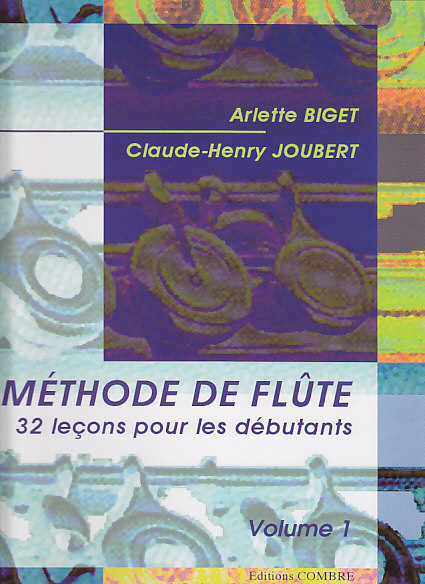
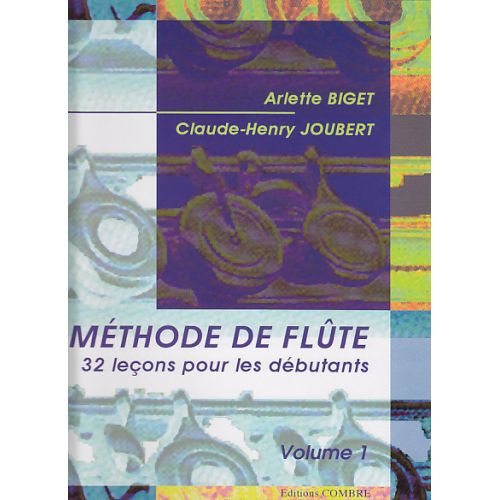
Designed for young flutists, this method offers a gradual and coherent progression, organized into eight cycles of four lessons. Each cycle concludes with a review session, allowing students to reactivate their automatisms, stabilize reading skills, and better integrate the musical concepts covered in the previous three lessons. This consolidation approach helps progress with confidence while allowing for regular feedback on essential points.
The approach allows starting flute and solfège simultaneously, without requiring prior study. The exercises, intentionally very short, are always connected to the pieces they precede: the goal is to focus directly on gesture and listening, without overloading the session. It is also not necessary to work on everything in each lesson: the abundance of material gives the teacher the freedom to choose, distribute (especially in group pedagogy), and revisit previously studied lessons to reinforce sight-reading, intonation, and musicality.
The method also assumes a clear pedagogical framework: it contains few detailed technical instructions (posture, breathing, hand position). It is therefore practiced with the accompaniment of a teacher, who can convey instrumental and musical principles from the very first lesson. As its name suggests (Hodos: "path"), it presents itself as a marked route: it is up to the student and teacher to make the journey, giving meaning to sound, phrasing, and listening.
Ensemble pieces (duos, trios, quartets) are designed to be played with others but remain usable solo, with or without teacher accompaniment. Popular songs, sometimes unfamiliar to children, are accompanied by their lyrics: singing them becomes a real lever to develop the ear, phrasing, and musical memory. Finally, brief invitations to imagination punctuate the course, not as a distraction but as a foundational tool for the musical and technical education of the flutist.

 Certified
Certified
Certified
Certified
Certified
Certified
Certified