30-day satisfaction guarantee or your money back
Call us : +33 257 880 074
 en
en 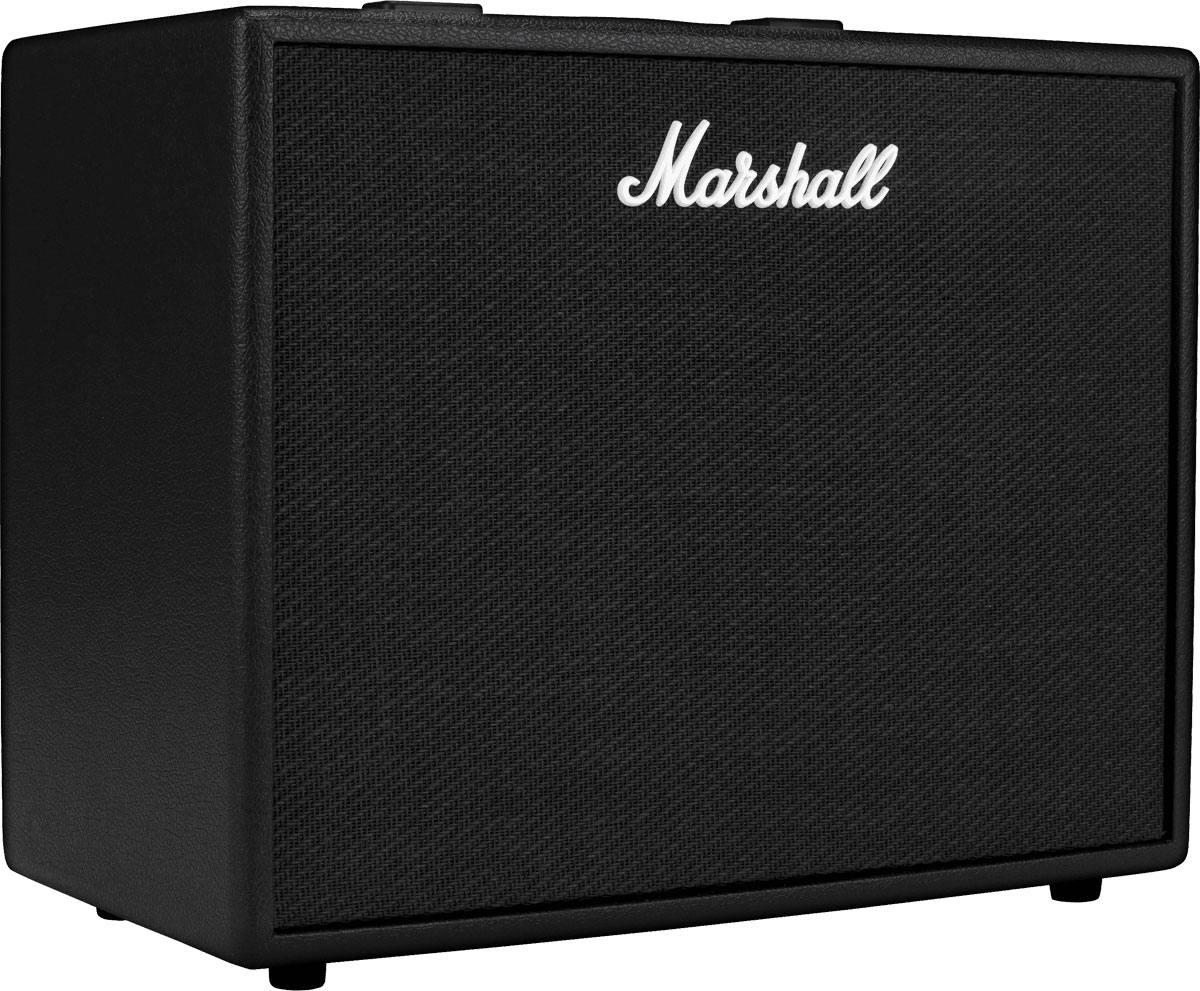
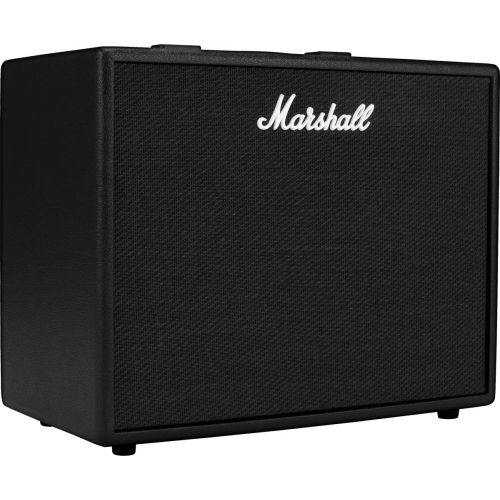
The Marshall CODE 50 belongs to the brand's modeling amp family, designed to capture the Marshall DNA at controlled volumes with the flexibility of digital technology. At the heart of the concept, the MST modeling developed with Softube aims to credibly reproduce the behavior of iconic preamps, power stages, and speaker cabinets-all within a simple, portable, and fully programmable combo.
This combo is aimed at beginner to intermediate guitarists who want to explore a wide range of sounds (clean, crunch, high gain) without multiplying pedals, as well as experienced musicians seeking a versatile amp for home, home studio, and rehearsals. Thanks to the presets and built-in effects, it suits rock, blues, hard rock, pop, and metal styles very well, while remaining practical for headphone practice and playing along with backing tracks.
The CODE 50 offers 100 editable presets and a sound architecture based on three building blocks: MST preamp models, MST power amp models (EL34, 5881, EL84, 6L6), and MST speaker simulations (1960, 1936V, 1912, 1974X series, etc.). On the effects side, you get a full chain (compressor, pedal-style distortions, auto wah, pitch shifter, chorus, phaser, flanger, tremolo, delays with Tap Tempo, reverbs) with up to 5 simultaneous blocks. Bluetooth enables control via the Marshall Gateway app and audio streaming for practice, while USB serves both DAW integration and playback of tracks from a computer. An optional programmable foot controller (PEDL-91009, sold separately) allows assignment of up to 30 presets or functions.
As a modeling amp, the CODE 50 emphasizes a very broad Marshall palette: from British-tinged cleans to tight crunches and dense saturations, with a "bite" and presence suited to rock. MST models inspired by historical references (JTM45, Bluesbreaker, Plexi, JCM800, Silver Jubilee, DSL, JVM, etc.) facilitate switching from dynamic vintage tones to more compressed modern gains. The 12-inch speaker provides projection and body, while the cabinet simulations and EQ allow tailoring the tone according to the guitar and context (room, rehearsal, recording).



 Certified
 Verified
Verified
Verified
Verified
Verified
 Verified
Certified
Verified
Verified
Verified
Verified
Certified
Verified
Certified
Certified
Verified
Verified
Certified
Verified
Verified
Verified
Verified
Certified
Verified
Certified
Certified