30-day satisfaction guarantee or your money back
Call us : +33 257 880 074
 en
en 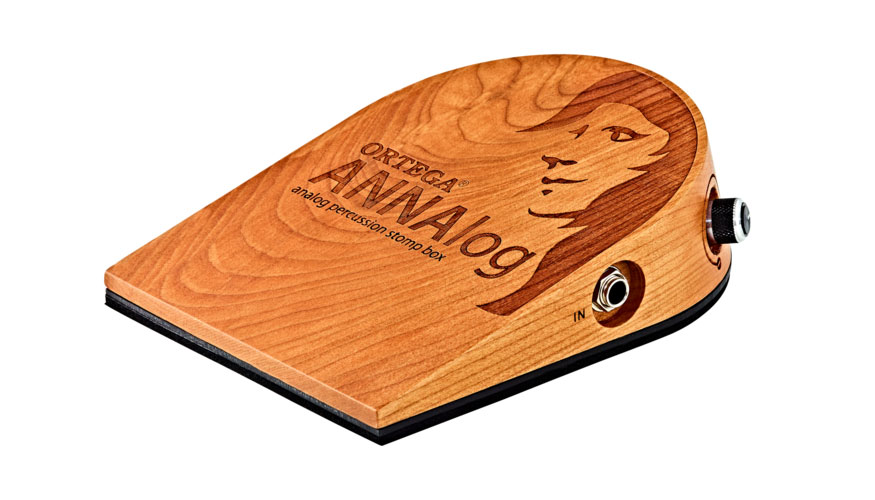
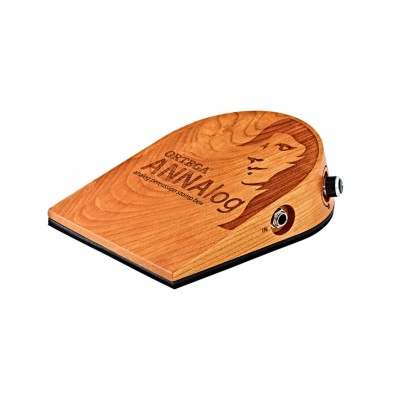
The stompbox follows an old tradition: adding a footbeat to provide a rhythmic foundation when playing solo. Where yesterday's "DIY" solutions were uneven and often noisy, this pedal revisits the idea with a design made for live performance and recording: enhanced low-end response, better isolation from unwanted noise, and a format designed to be connected like a real pedal.
This stompbox is aimed at guitarists, singers, multi-instrumentalists, and fingerpickers who want to fill the space without adding a drummer or loops. It is particularly effective in blues, folk, country, acoustic pop, unplugged rock, and soft worship/ambient styles-anywhere a simple, steady "kick" enhances the groove.
In a live context, it adds low-end that immediately gives the impression of a full band, especially with an acoustic-electric or electric guitar in a clean tone. In the studio, it can become a minimalist percussion track: a clear beat, easy to align and process (EQ, compression) like a kick drum.
The ergonomic design prioritizes comfort: the surface is pleasant to tap and encourages steady playing, even during long sessions. The non-slip bottom coating secures footing and limits accidental movement, a crucial point when playing standing or on stage.
The volume control is designed for a smooth and musical increase: practical for balancing your stomp with the guitar or adjusting the level according to the amp, PA, and playing style (light fingerstyle attack or stronger footbeat). The pedal features a 6.35mm Jack input and a 6.35mm Jack output, making it easy to integrate into a chain, towards an amp, DI box, mixer, or multi-effects unit.
Finally, the silent true bypass preserves your original tone when the stompbox is off, without coloration or unnecessary loss, and with discreet switching suitable for the stage.
The sonic signature emphasizes round and firm lows, designed to evoke a compact kick drum rather than a simple dry "tap." The low-end optimization helps the stompbox remain audible in a mix, while the reduction of ambient noise favors a cleaner output (less contact noise and unwanted resonances).
Depending on your attack, you can go from a muffled beat, perfect for supporting vocals, to a more pronounced kick to energize a chorus. It responds well to foot dynamics: the expression remains controlled without becoming uncontrollable, facilitating a steady groove even at low volume.


 Verified
Verified
Verified
 Certified
 Verified