30-day satisfaction guarantee or your money back
Call us : +33 257 880 074
 en
en 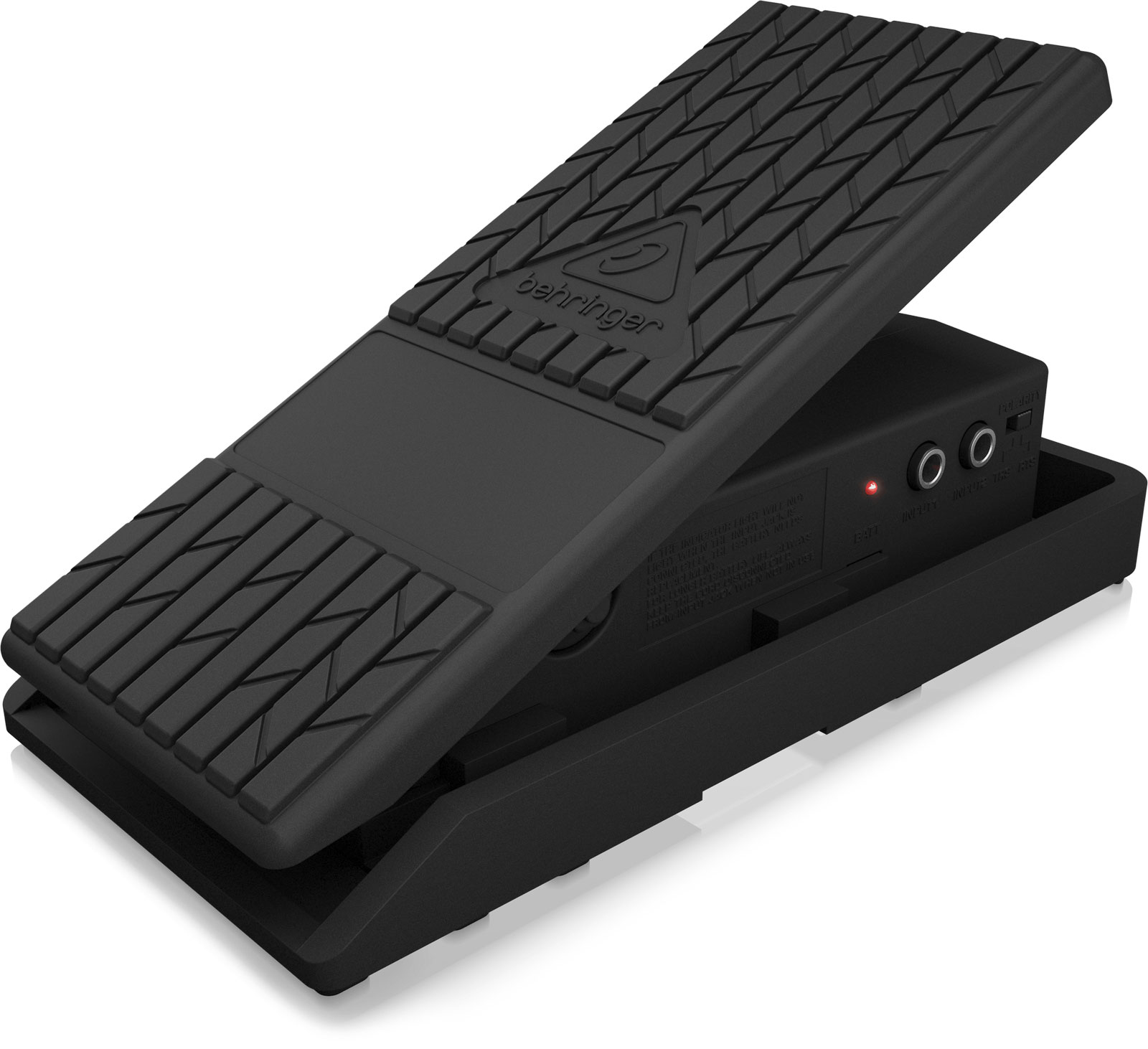
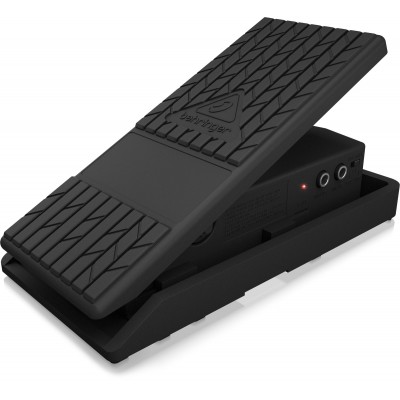
In a modern pedalboard, the volume pedal no longer just serves to "turn down the sound": it becomes a full-fledged interpretative tool. Violin-like swells, clean fades at phrase ends, level management without touching the amp... and, with a CV mode, control of a modulation or expression parameter to sculpt an effect in real time. The FCV100 fits perfectly into this logic: a unique format covering essential needs for musicians on stage and in the studio.
The FCV100 is aimed at guitarists, bassists, and keyboardists who want simple and effective foot control without complicating their signal chain. In rock and blues, it excels at managing nuances and bringing passages forward in the mix. In ambient and post-rock, it becomes formidable for smooth swells combined with delay or reverb. In a live context, you keep control (or rather foot control) over your level without taking your eyes off the band, and in the studio you automate a more organic dynamic than with a fader.
The FCV100 offers two operating modes. In Norm mode, it controls volume and can manage two mono instruments via its two input/output paths. In CV mode, it becomes a controller to act on the volume or modulation of another device: simply connect output 2 to the dedicated input of the equipment to be controlled. A strong point: even in CV mode, input/output 1 can continue to serve as volume control for another instrument, useful if you alternate guitar and keyboard or manage two sources. Finally, the polarity switch allows adapting the pedal's behavior to many configurations, while the Min Vol potentiometer sets the minimum level when you roll back the heel.
A good volume pedal must above all respect your signal and your touch. The FCV100 is designed to offer a usable sweep and progressive response, allowing precise control of your attacks, fades, and intensity builds. Used before distortion, it cleans the signal and controls the amount of drive "at the guitar," while after distortion it acts as a master volume at your foot for stage levels. In CV mode, the feel becomes that of an expression controller: you can open an effect, dose a modulation, or evolve a parameter without breaks, for a more lively and musical performance.