30-day satisfaction guarantee or your money back
Call us : +33 257 880 074
 en
en 









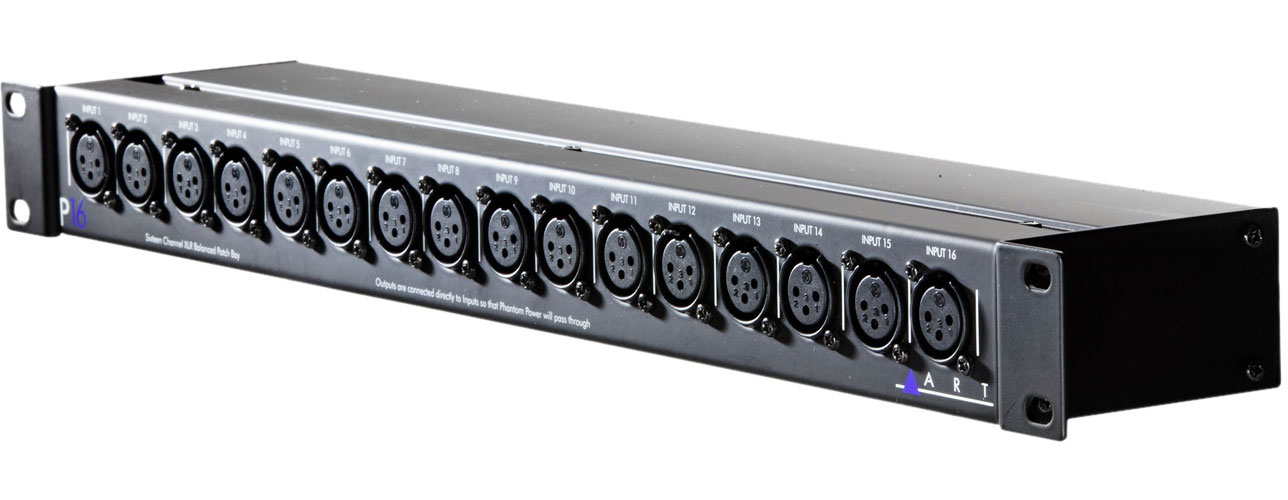


In a studio environment, the multiplication of sources (microphones, preamps, processors, audio interfaces, stage monitors, monitoring) quickly turns the back of the rack into a hard-to-access area. The rack-mounted XLR patch panel addresses a simple need: make critical connections accessible, identifiable, and reproducible. By grouping 16 channels in a 1U format, this panel becomes a logical pass-through point to structure a setup, limit risky handling, and maintain a clean installation, whether in a home studio, mobile control room, or rehearsal space.
This 16-channel XLR patch panel is designed for anyone wanting to secure and streamline their balanced audio connections (microphone or line level) within a 19-inch rack. It is particularly useful if you use multiple preamps, an audio interface with many inputs, a multipair cable to a booth, or if you frequently reconfigure your recording chain. In practice, it allows you to quickly connect a microphone, preamp, stagebox, or outboard gear without moving the rack or constantly accessing the rear connectors of equipment. It also provides real convenience for fixed installations (studios, schools, places of worship) where wiring clarity and maintenance are as important as sound quality.
The 1U 19-inch rack format offers an excellent balance between density and readability. With 16 XLR channels in a single unit, you gain organization while maintaining a coherent layout within the rack. The 89 mm depth is a tangible advantage: it simplifies mounting in shallow racks and leaves more space for cable routing, cable tie management, and overall ventilation.
With intensive use, plugging and unplugging directly on an audio interface, preamp, or converter can prematurely wear connectors and make interventions lengthy. An XLR patch panel serves as a dedicated connection point: you handle the panel rather than the device, preserving a longer-lasting installation. To optimize the experience, it is recommended to provide clear labeling (channel numbering, color codes, tags) and careful cable management to avoid any strain on the XLR connectors during handling.
A rack-mounted XLR patch panel naturally integrates into chains where level stability and silent operation matter: vocal inputs, multitrack recording, backline feed, or connections to a console. By centralizing connections, you reduce routing errors and simplify troubleshooting in case of interference, bad contacts, or muted channels. It is a discreet but crucial accessory for gaining efficiency, especially when working under time constraints or in limited space.