30-day satisfaction guarantee or your money back
Call us : +33 257 880 074
 en
en 









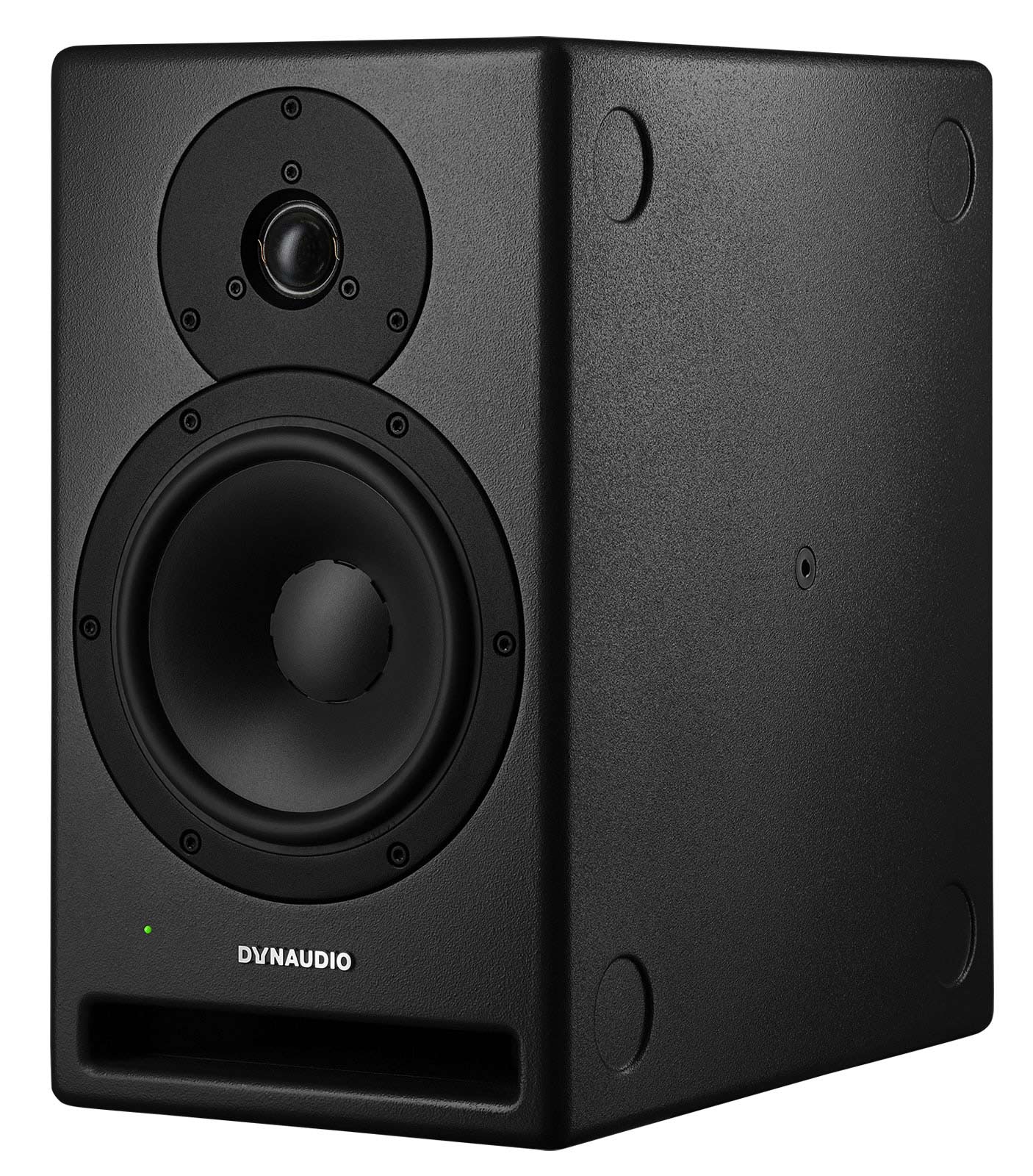


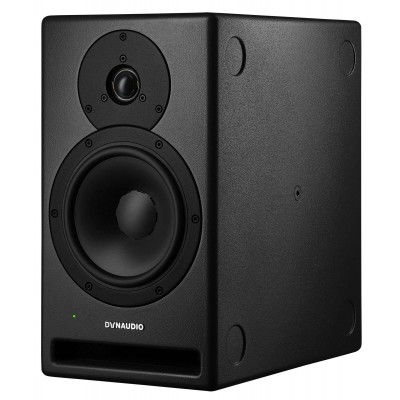
In a studio, trust in what you hear makes all the difference: spotting a resonance, a sibilance, a low-mid imbalance, or subtle saturation must be immediate, whether working on a voice-over, a trio, a video game soundtrack, or an immersive mix. The Core 7 was precisely developed in collaboration with industry professionals to meet this daily reliability need. Positioned as the most compact of the high-end professional reference monitor systems in its family, it aims for uncompromising reproduction in an easy-to-integrate format.
The Core 7 is aimed at sound engineers, mixers, producers, and editors who need precise and stable listening, even at sustained levels. Its sound level reserve and definition help make quick decisions on tonal balance, dynamics, depth of field, and translation to other systems. Thanks to its front bass reflex port, it integrates more easily into many studio configurations (desktop placement, stands, compact control rooms), while maintaining a readable and controlled bass foundation.
The active bi-amplified design relies on two dedicated Class D amplifiers: 500 W to power the 7-inch driver and 150 W for the 1-inch tweeter. This power distribution improves control of the bass and low-midrange while ensuring a fast response in the upper spectrum. The result: listening that retains coherence as the session thickens, with usable dynamics to judge transients, percussion attack, and the punch of a kick or bass.
The integrated DSP processing was designed to adapt the monitor to the listening environment without complicating the workflow. In practice, this allows adjusting the response to compensate for certain room or placement effects, optimizing tonal balance, and maintaining a stable stereo image. This is a key asset for working long hours, with reliable reproduction of both flaws and qualities in recording, mixing, or mastering.
With a smooth response down to 44 Hz (and extension to 38 Hz at -6 dB), the Core 7 delivers usable bass to evaluate fundamentals, bass hold, and sub management without tipping into excess. The front port contributes to smoother integration in many studios while maintaining coherent reproduction for low-frequency control.