30-day satisfaction guarantee or your money back
Call us : +33 257 880 074
 en
en 









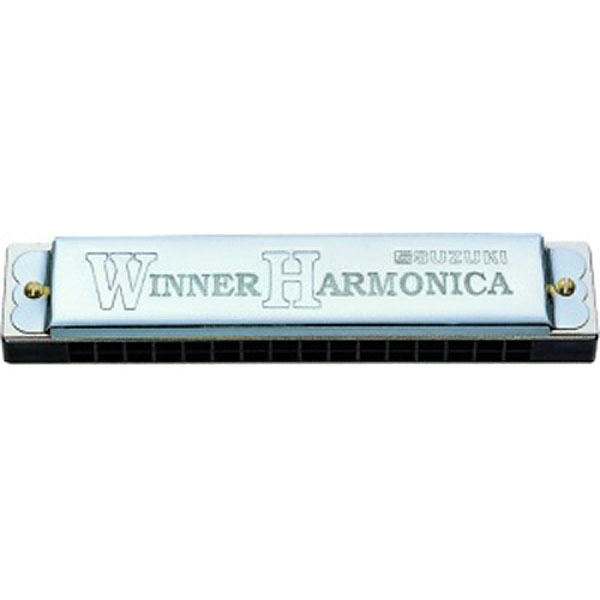


The tremoloharmonica holds a unique place in the harmonica family: rather than aiming for access to all sharps and flats like a chromatic, it emphasizes sound richnessand musicality. Its principle is simple and highly effective: each note is doubled, with a deliberately slightly offset tuning, producing that immediately recognizable wavering effect. The result: melodies that "breathe," a flattering sound presence, and a particularly expressive character for popular, traditional, and lyrical repertoires.
In this 16-holeconfiguration, you benefit from a format appreciated for its versatility: compact enough for easy transport, while offering a comfortable playing range to work on themes, counter-melodies, and longer phrasing.
This 16-hole tremolo is well suited for beginnerswho want a rewarding instrument from the first notes (the tremolo effect provides a sense of "width" in the sound), while remaining relevant for intermediate musiciansseeking stable response and a distinctive timbre. It is particularly comfortable in pop, traditional music, folk, songrepertoires, and acoustic ensembles.
If your goal is to play easily in all keys with all sharps and flats, a chromatic would be more appropriate. However, to make a melody sing with a lively grain and a marked identity, the tremolo is a natural choice.
The sonic signature of a tremolo relies on the harmonic thicknesscreated by its doubled reeds: the sound appears broader and more vibrant, with a very pleasant sense of movement on sustained notes. Here, the phosphor bronze reedscontribute to a responsive emission and a timbre often perceived as warmand rich. This material is also appreciated for its good durability against humidity (an important point for free reed instruments played by breath).
Some useful vocabulary references: the reeds(also called blades) are the metal strips that vibrate to produce sound; the combis the central piece (body) that forms the air chambers and influences projection, airtightness, and playing comfort; the coversare the lids that protect and direct the sound. The quality of fit between these elements determines the ease of sound production, note stability, and playing comfort.
A diatonicharmonica is designed around one key (a main scale), making it very direct and intuitive for melodies in that key. A chromaticharmonica provides access to all notes via a mechanism (often a button), making it more versatile in jazz and classical music. The model presented here is a tremolo harmonica, generally conceived with a diatoniclogic: it prioritizes color and expressiveness of melody in a given key rather than full chromaticism.


 Verified
Verified
Verified

 Certified
Certified
Certified