30-day satisfaction guarantee or your money back
Call us : +33 257 880 074
 en
en 









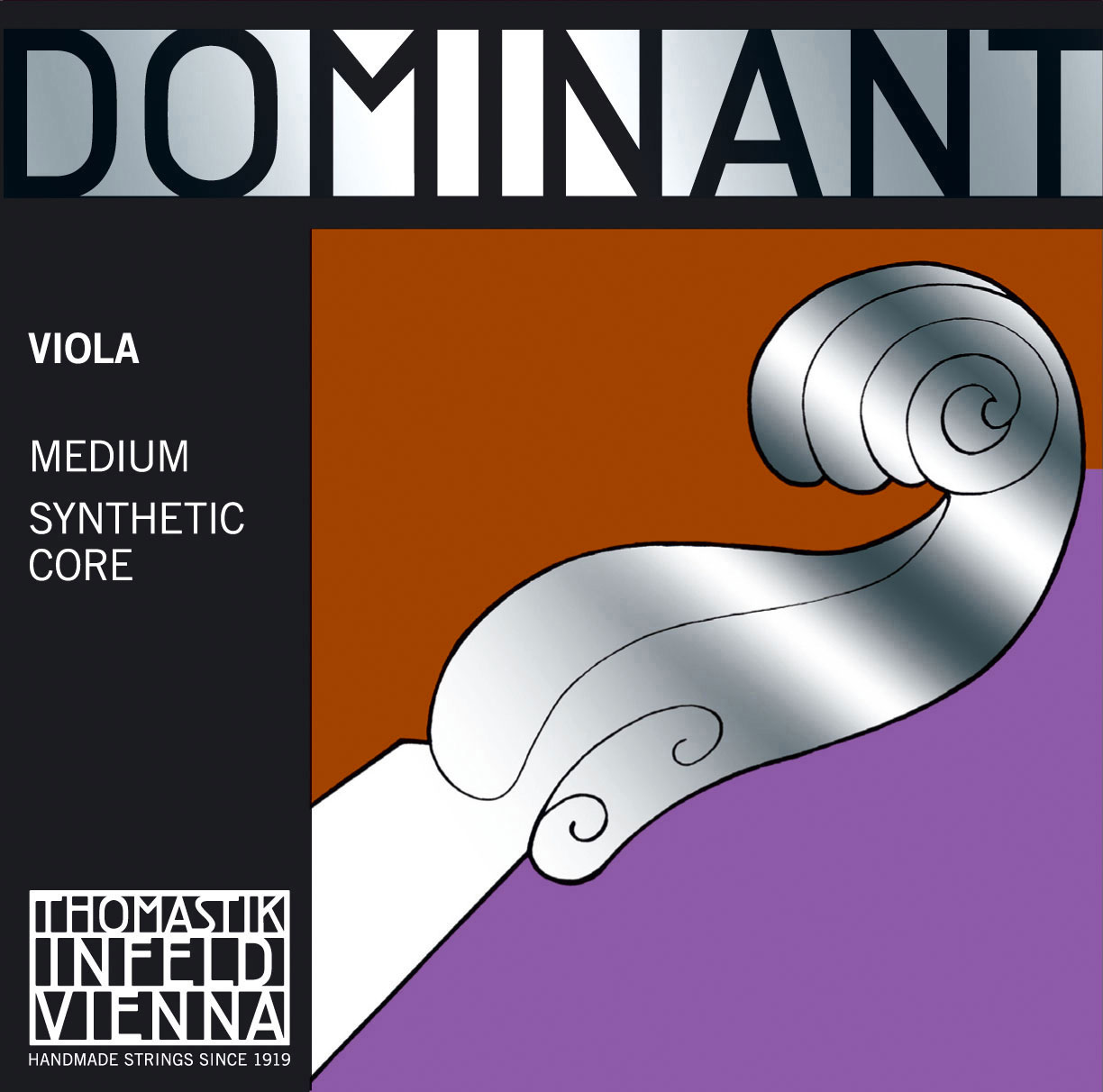


The search for the "reference string" has long opposed two worlds: gut, appreciated for its warmth and harmonic complexity, and metal strings, favored for their tuning stability and projection. Multifilament synthetic cores have established themselves as a highly sought-after balance: they maintain a flexible feel and a musical grain close to gut, while offering more stable behavior in daily use. In this logic, a G string with a multifilament nylon core and silver winding clearly aims for comfortable play, a wide palette of nuances, and reassuring reliability, without sacrificing timbral richness.
As a G string (the low string, most often on a violin), this model is intended for demanding beginners as well as intermediate and advanced players who want an easy-to-handle string, pleasant under the bow, and homogeneous in ensemble. Its soft, warm, and harmonic character is particularly suited to classical music, chamber music, and orchestra, where a round and stable sound foundation is sought. It may also appeal to musicians who work on long-term sound (vibrato, legato, piano dynamics), thanks to a "breathing" tension sensation and progressive response.
The multifilament nylon fiber core plays a central role: it promotes a softer attack, a pleasant elasticity in the left hand, and a forgiving response during bowing changes. This construction tends to produce a harmonically rich spectrum, with warmth and "roundness" often associated with gut, while remaining more stable. The silver winding on the G string adds body and density in the low register, with a present lower midrange and an enveloping sound. Depending on the chosen tension (soft, medium, strong), you can tailor the output: more ease and softness at low tension, or more foundation and resistance under the bow at high tension.
To get the best out of this string daily, universal accessories can help: a chromatic tuner to quickly stabilize tuning after installation, a microfiber cloth to wipe the string after playing (rosin residue), and a graphite pencil (dry lead) to lightly lubricate contact points at the nut and bridge during setup, to limit sticking during tuning.