30-day satisfaction guarantee or your money back
Call us : +33 257 880 074
 en
en 









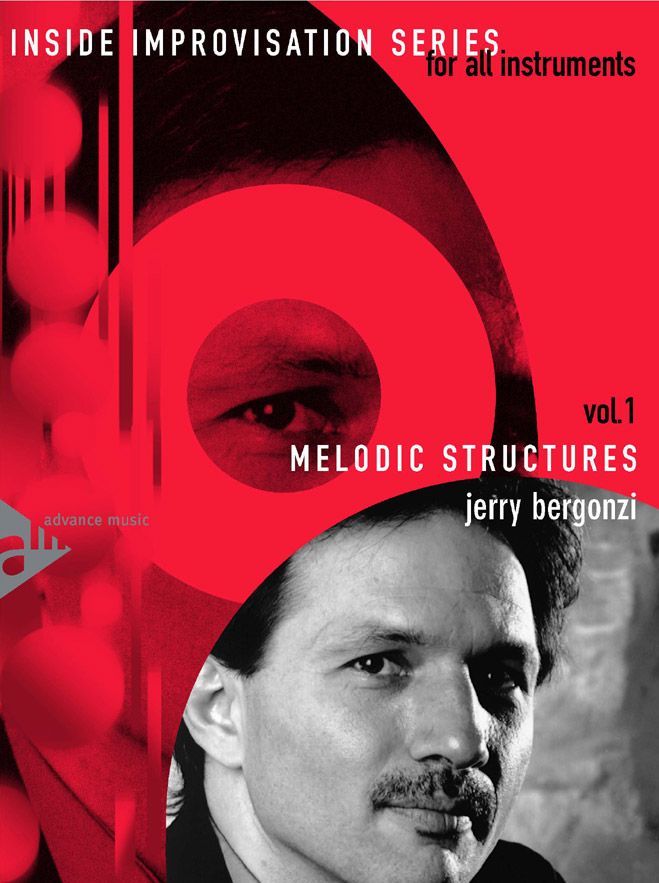


This first volume offers an improvisation method designed to be immediately usable without sacrificing musical understanding. The guiding principle is to "get inside the changes": rather than stacking scales abstractly, the book encourages developing a solid harmonic reflex by linking chords, their functions, and melodic solutions that naturally sound within a progression. The goal is to make imagination more concrete by relying on practical logic, close to the reality of group playing and standards.
Although the jazz idiom is central (vocabulary, chord progressions, work on cadences and harmonic movement), the techniques remain transferable to other realms: rock guitar solos over chord sequences, saxophone phrasing on modal tunes, or more modern and fusion language on keyboards. This versatility makes it a relevant resource for any musician wishing to improve their sense of chord changes and build coherent choruses grounded in accompaniment.
To facilitate individual practice, chord charts are provided in Concert pitch (C) as well as transpositions for B-flat and E-flat instruments. The book goes further by offering transposed examples for all common instruments: C (treble clef), B-flat, E-flat, and bass clef. You can thus focus on listening, rhythmic placement, and harmonic accuracy without wasting time on transposition.
The accompaniment recording was designed to follow the exercises and assignments of each chapter. You have 9 themes to play along with, each recorded at slow then medium tempo, featuring Garry Dial on piano, Dave Santoro on bass, and Alan Dawson on drums. Additionally, there are 12 demonstration tracks performed by the author on piano and/or tenor saxophone, ideal for hearing the application of concepts and refining your ear before integrating them into your own vocabulary.