30-day satisfaction guarantee or your money back
Call us : +33 257 880 074
 en
en 









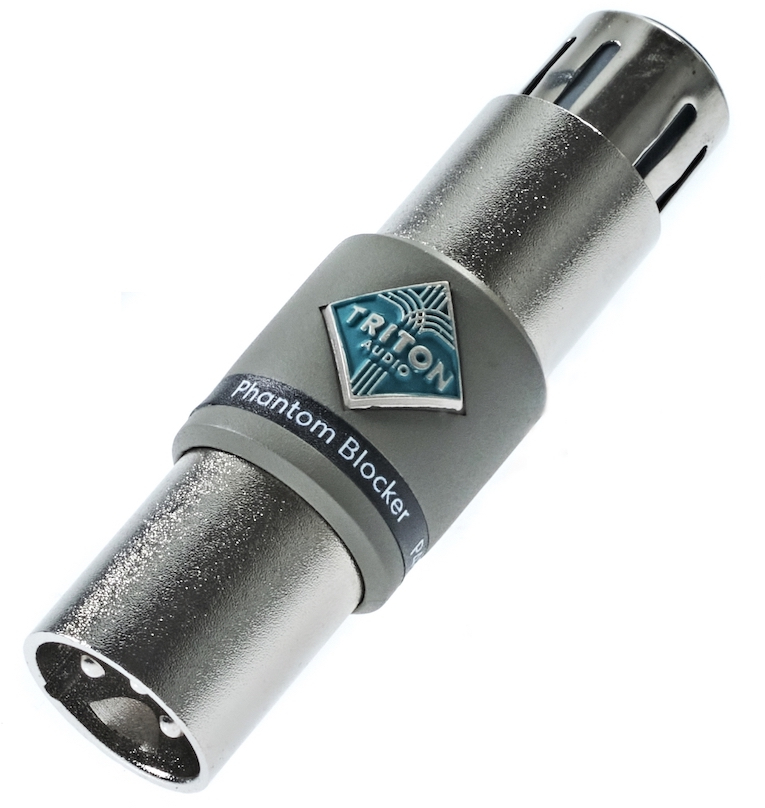


In environments where phantom power may be enabled by default (audio interfaces, consoles, stageboxes, patch bays), the Phantom Blocker acts as a safety link: it isolates the voltage while preserving the audio path, without altering your signal chain.
The Triton Phantom Blocker is designed for sound engineers, home studio users, and live technicians who want to secure an XLR connection when the presence of phantom power is uncertain, for example with certain microphones, device outputs, or during quick stage setups.
Before connecting the device to be protected, first connect the Phantom Blocker to the cable, then activate phantom power, and wait 5 seconds: its internal bleed resistors equalize the voltage and help prevent a power-on surge at the moment of connection.